The Shopfront Test Drive: Piloting a UK High Street Unit Without Signing Your Life Away
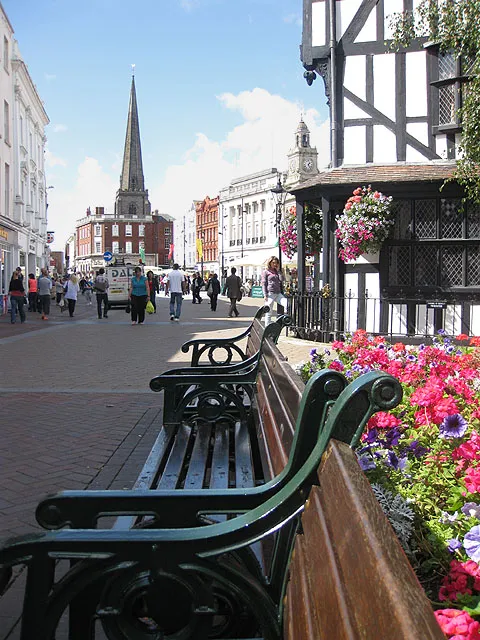
Photo: Pauline Eccles, CC BY-SA 2.0, via Wikimedia Commons
There is a particular kind of optimism that arrives when you walk past an empty shop with a To Let board and a tired carpet. The unit is cheap, the high street is busy on a Saturday, and your product would look brilliant in the window. What could possibly go wrong?
Plenty, if the next step is a standard commercial lease signed in a hurry. The rent is only one line in the spreadsheet. Rates, insurance, fit-out, utilities, legal fees and the cost of unwinding it all can turn a three-month experiment into a multi-year obligation. The smarter approach for many founders in 2026 is to treat a physical shopfront as a test drive, not a marriage.
Start with the exit, not the paint colours
Before you think about shelving or signage, write down what the pilot is meant to prove. Is it footfall? Conversion from passer-by to paying customer? Average basket size? Appointment bookings? Local awareness before an online launch? Pick two or three measures and a date when you will review them.
Then set a kill criterion. That sounds brutal, but it is kinder than drifting into another six months because the deposit is already paid. For example: if the unit does not cover its direct costs by week eight, or if fewer than 10% of visitors buy, you close and write up what you learned. A pilot with a defined end is a research project. A pilot without one is an expensive hobby.
The agreement matters more than the rent
A low monthly cost is not much use if the legal arrangement quietly locks you in. Three structures come up again and again: a meanwhile-use agreement, a pop-up licence and a short-term lease. They are not interchangeable.
A licence generally gives you permission to use the space for a set period without giving you exclusive possession. That can be flexible and quick, but it also means fewer rights. A short lease can give you more control, but it may bring security-of-tenure rules and repairing obligations into play. Meanwhile-use arrangements are often designed for vacant units awaiting development, so the end date may be tied to a planning application rather than your trading plan.
This is one of those moments to pay a commercial property solicitor for an hour of their time. Ask specifically about security of tenure, break rights, reinstatement, access, utilities, insurance responsibility and what happens if the landlord sells or starts building work. Do not rely on a friendly email from the agent.
Ask the council what is actually on offer
Many local authorities run vacant-unit schemes, pop-up programmes or discretionary business rates relief for certain occupiers. Some offer grants for shopfront improvements, mentor support or reduced fees for market traders moving into a unit. The catch is that schemes vary enormously and often have closing dates.
Ring the business rates team at the billing authority and ask how the unit is currently rated, what relief may apply once occupied, and whether any empty-property relief will end when you move in. Check whether a Business Improvement District levy applies. If you are taking on a food or drink use, ask about licensing, food hygiene registration and pavement licences early. A verbal assurance from one officer is not a budget line. Get it in writing where you can.
Insurance, utilities and the boring bits
Your landlord's insurance may cover the building. It almost certainly will not cover your stock, your equipment or your public liability. You need cover that matches the agreement you have signed, not the one you assumed you had. If you employ anyone, even part-time, employer's liability insurance usually becomes relevant.
Utilities deserve a proper look. Is there a separate meter? Are you paying standing charges for a space you use three days a week? What is the broadband situation, and will a card terminal work on it? Who handles waste collection? If the unit has been empty for months, check for damp, pests, faulty electrics and fire safety equipment before you move stock in.
Fit-out on a shoestring, with a reverse gear
Assume you will have to remove everything you install. That changes the shopping list. Freestanding shelving, second-hand counters, modular display units and removable signage are your friends. Avoid ripping out fittings or painting over anything without written permission. Ask what the landlord expects at handover and budget for it.
Set a fit-out cap before you start buying. Include delivery, installation, lighting, card readers, security, cleaning and a contingency of at least 15%. It is amazing how quickly a cheap unit becomes a expensive weekend at the hardware shop.
A pre-signature checklist
Before you sign anything, get clear answers to these questions:
- What exactly am I being granted: a licence, a lease or a meanwhile agreement?
- What is the start date, end date and notice period on both sides?
- What happens if the landlord gets planning permission or finds a long-term tenant?
- Who insures what, and what cover must I provide?
- Which utilities are separate, and what are the standing charges?
- Can I put up signage, and who approves it?
- What are the opening hours and access arrangements?
- What reinstatement or decoration obligations apply at the end?
- Are business rates, service charges or BID levies payable, and by whom?
- What are the total legal, insurance and fit-out costs before I take the keys?
Make the pilot earn its keep
A short high street stint can do more than sell stock. It can give you face-to-face customer feedback, local press coverage, relationships with neighbouring businesses and a reason to invite your online audience somewhere real. Use it to host an event, test a workshop or simply learn which questions people ask before they buy.
At the end, review the numbers against your original hypothesis. If the pilot worked, you will negotiate the next agreement from a stronger position, with evidence rather than hope. If it did not, you will have bought a useful lesson without a five-year anchor around your neck. Either way, the shopfront did its job.